

William, Prince of Wales, embodies a unique blend of royal duty and modern education. His journey through various academic institutions reflects not only his family’s legacy but also the evolving role of the monarchy in contemporary society. From an early age, he was immersed in a world of learning that shaped his values and perspectives.
His educational path took him from the prestigious Eton College to the halls of St Andrews University, where he earned a degree in geography. This foundation laid the groundwork for his commitment to public service and charitable endeavors. As he navigates his role as a future king, his education continues to influence his approach to leadership and engagement with the public.
Overview of Prince William’s Education
Prince William’s education began at Wetherby School and continued at Ludgrove School. His early schooling laid a strong foundation for his academic journey. He later attended Eton College, where he excelled academically and participated in various sports. At Eton, he developed a sense of responsibility and leadership.
Prince William then pursued higher education at the University of St Andrews in Scotland. He enrolled in 2001, choosing geography as his major. During his time there, he actively engaged in student life, joining clubs and sports teams. He completed his degree in 2005, earning a 2:1 classification. His university experience significantly shaped his worldview and reinforced his commitment to service and charity.
Prince William’s educational background has influenced his approach to royal duties and modern governance. His understanding of environmental and social issues reflects his studies and personal values. This foundation prepares him for his future role as king and an advocate for public service.
Early Education
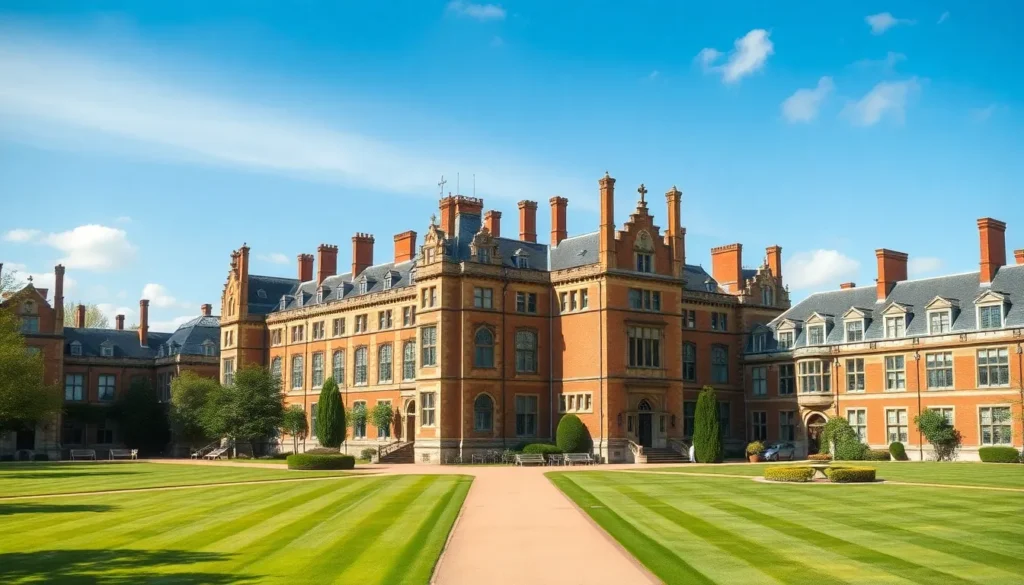
Prince William’s early education set a strong foundation for his future academic and leadership success. His schooling began with pre-school and continued through his primary and secondary experiences, shaping his character and values.
Pre-School and Primary School
Prince William attended Wetherby School in London for his pre-school education, where he began to develop social skills and foundational learning concepts. At Wetherby, he was introduced to a structured environment that encouraged creativity and exploration. His transition to primary school occurred at Ludgrove School in Berkshire, which emphasized a balanced education combining academics, sports, and personal development. In this nurturing environment, he formed friendships and build the confidence necessary for his future endeavors.
Secondary School Experience
Prince William’s secondary education took place at Eton College, one of the most prestigious schools in the UK. Known for its rigorous academic standards, Eton allowed him to excel academically, focusing on subjects such as geography. In addition to academics, he engaged in various extracurricular activities, mastering sports like rugby and swimming. These experiences cultivated his teamwork and leadership skills, essential for his future royal duties. Eton’s environment supported his personal growth, encouraging a sense of responsibility that would guide him throughout his life.
Higher Education
Prince William’s higher education played a crucial role in shaping his values and preparing him for royal responsibilities. His time at university allowed him to expand his academic knowledge and engage with diverse perspectives.
University of St Andrews
Prince William enrolled at the University of St Andrews in 2001. He pursued a joint degree in History of Art and later switched to Geography. He became actively involved in campus life, participating in various student organizations and social events. His experiences contributed to personal growth and enhanced his leadership capabilities. William graduated in 2005 with a 2:1 classification, showcasing his commitment to academic excellence and community engagement.
Academic Achievements
Prince William excelled academically at the University of St Andrews, particularly in Geography, where he demonstrated analytical thinking and problem-solving skills. His involvement in extracurricular activities, such as the rugby team and various charity initiatives, highlighted his dedication to leadership and service. These achievements not only reinforced his educational foundation but also prepared him for the responsibilities he would face as a royal figure.
Impact of Education on Prince William’s Role
Prince William’s educational journey significantly shaped his responsibilities as a future monarch. His academic experiences instilled leadership qualities and fostered a deep commitment to philanthropy, essential traits for his royal role.
Leadership Skills Development
Prince William’s education emphasized leadership through various school environments. At Eton College, he participated in team sports and student organizations, honing his ability to collaborate and inspire others. He engaged deeply in activities such as rugby and swimming, which taught him teamwork and resilience. These experiences equipped him with the tools necessary for effective leadership, enhancing his confidence and ability to navigate complex situations. As a result, he developed a strong foundation for leading initiatives and undertaking responsibilities associated with royal duties.
Influence on Philanthropic Efforts
Prince William’s educational background also laid the groundwork for his philanthropic endeavors. His time at the University of St Andrews broadened his perspective on global issues, emphasizing the importance of community engagement and social responsibility. He became aware of critical challenges, such as climate change and mental health, which have influenced his charitable work. This understanding drives his commitment to various causes, including the Heads Together campaign, aimed at promoting mental health awareness. His education has instilled a sense of duty to address social inequities and advocate for positive societal change, aligning with his vision as a future king.
Prince William’s educational journey has played a pivotal role in shaping his identity as a future king. His experiences across various institutions have not only equipped him with academic knowledge but also instilled essential leadership skills and a strong sense of social responsibility. This foundation allows him to approach his royal duties with confidence and a commitment to public service.
As he prepares for his future role, the values and insights gained from his education will undoubtedly influence his advocacy for critical issues like mental health and social equity. Prince William’s dedication to fostering positive change reflects the evolving nature of the monarchy, making him a relevant and impactful figure in today’s society.

